Indonesia forests are suffering from damage that is covering 3.8 million acres each year from 1998 to 2000, and has continued to increase in subsequent years. Since 1995, Java has experienced a water deficit of 32.3 billion cubic meters annually. From 1998 to 2003, there were over 650 disasters in Indonesia that claimed more than 2,500 lives and caused material losses of more than 300 billion dollars, of which 85% were floods and landslides as a result of environmental damage.
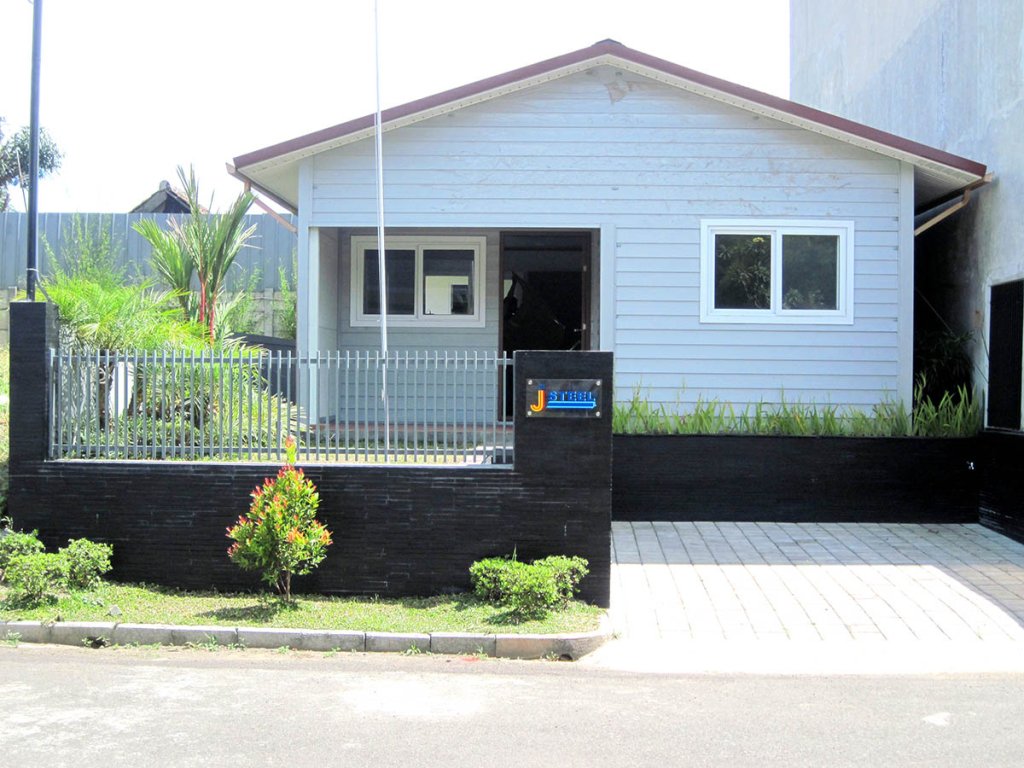
Prefab House
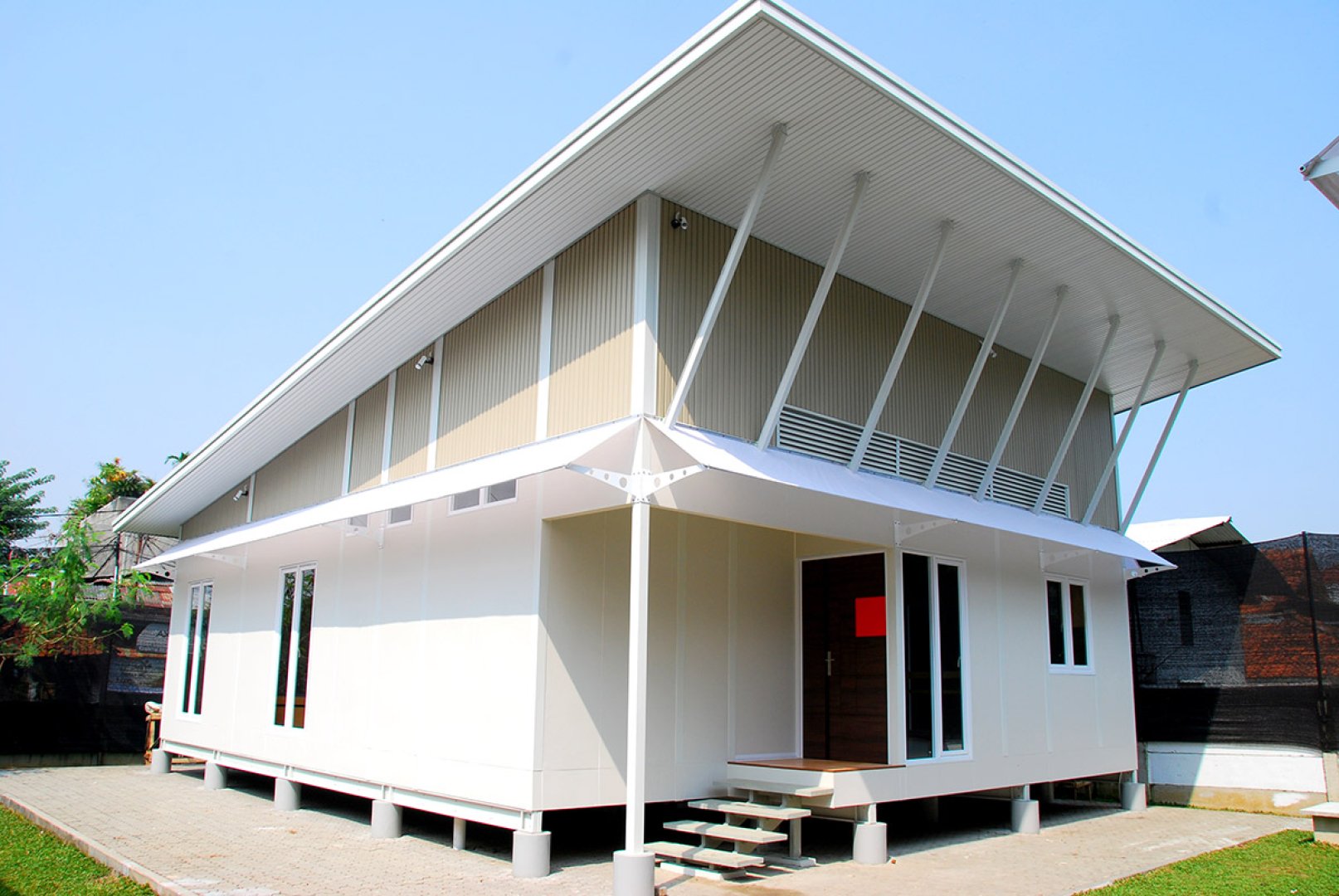
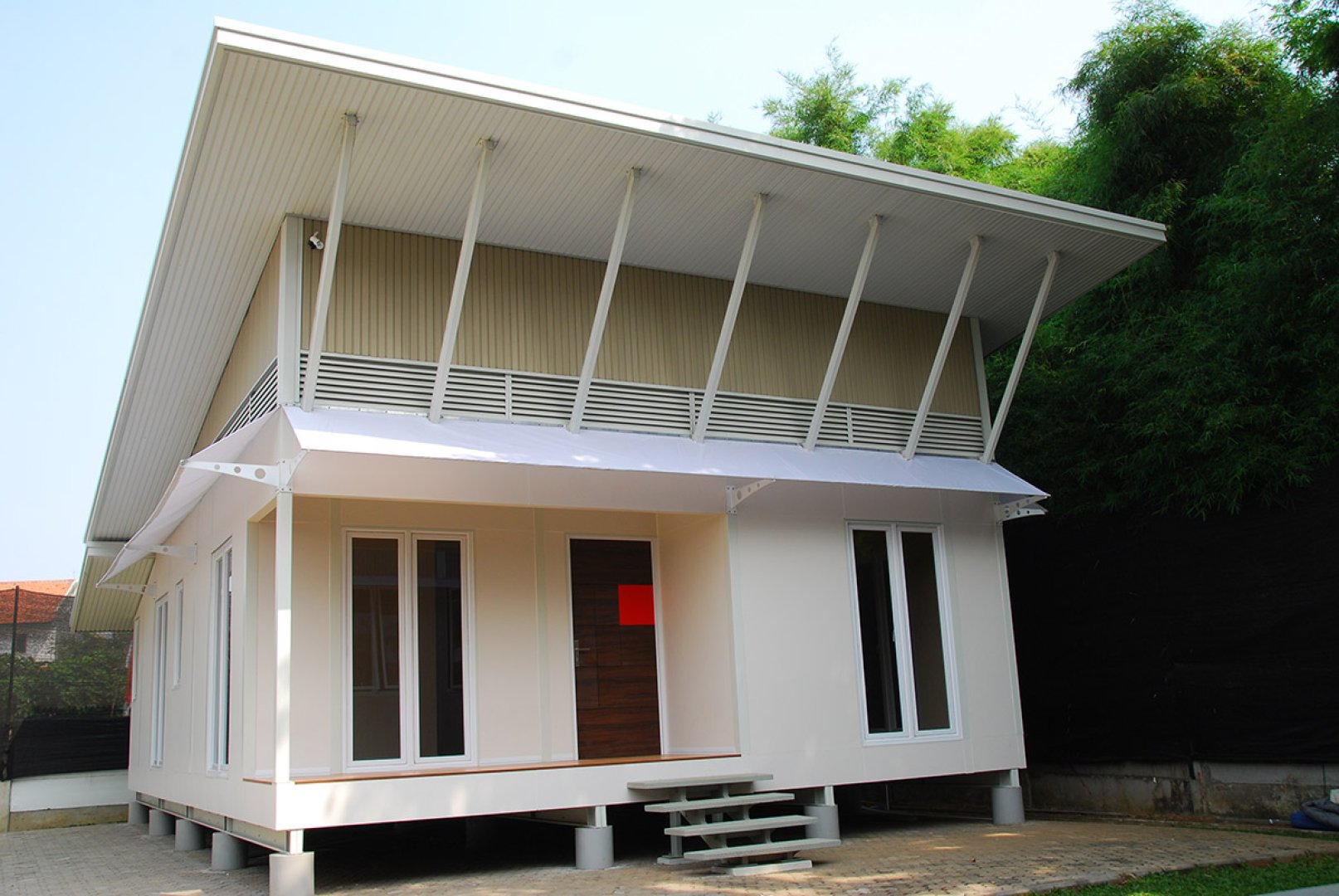
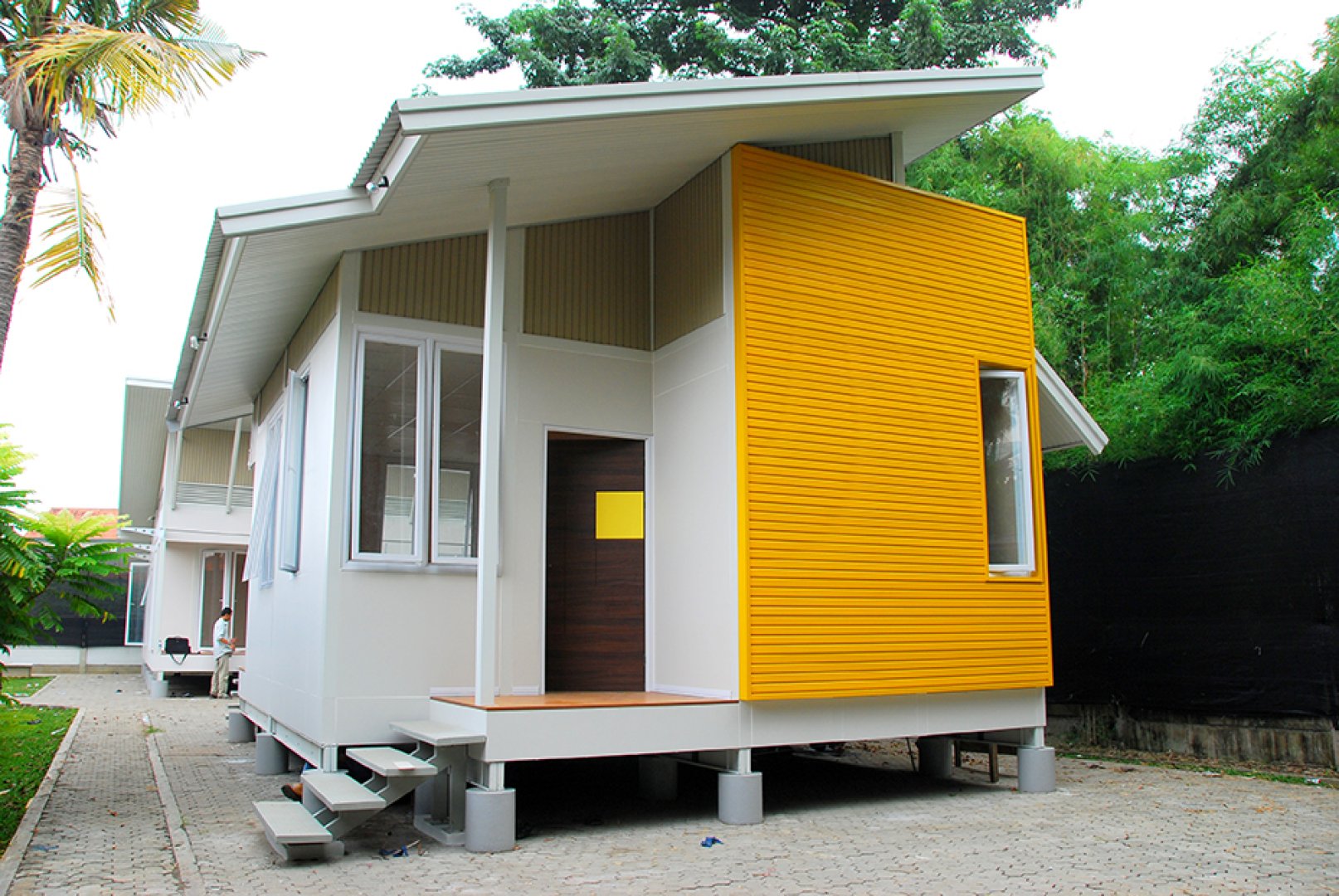
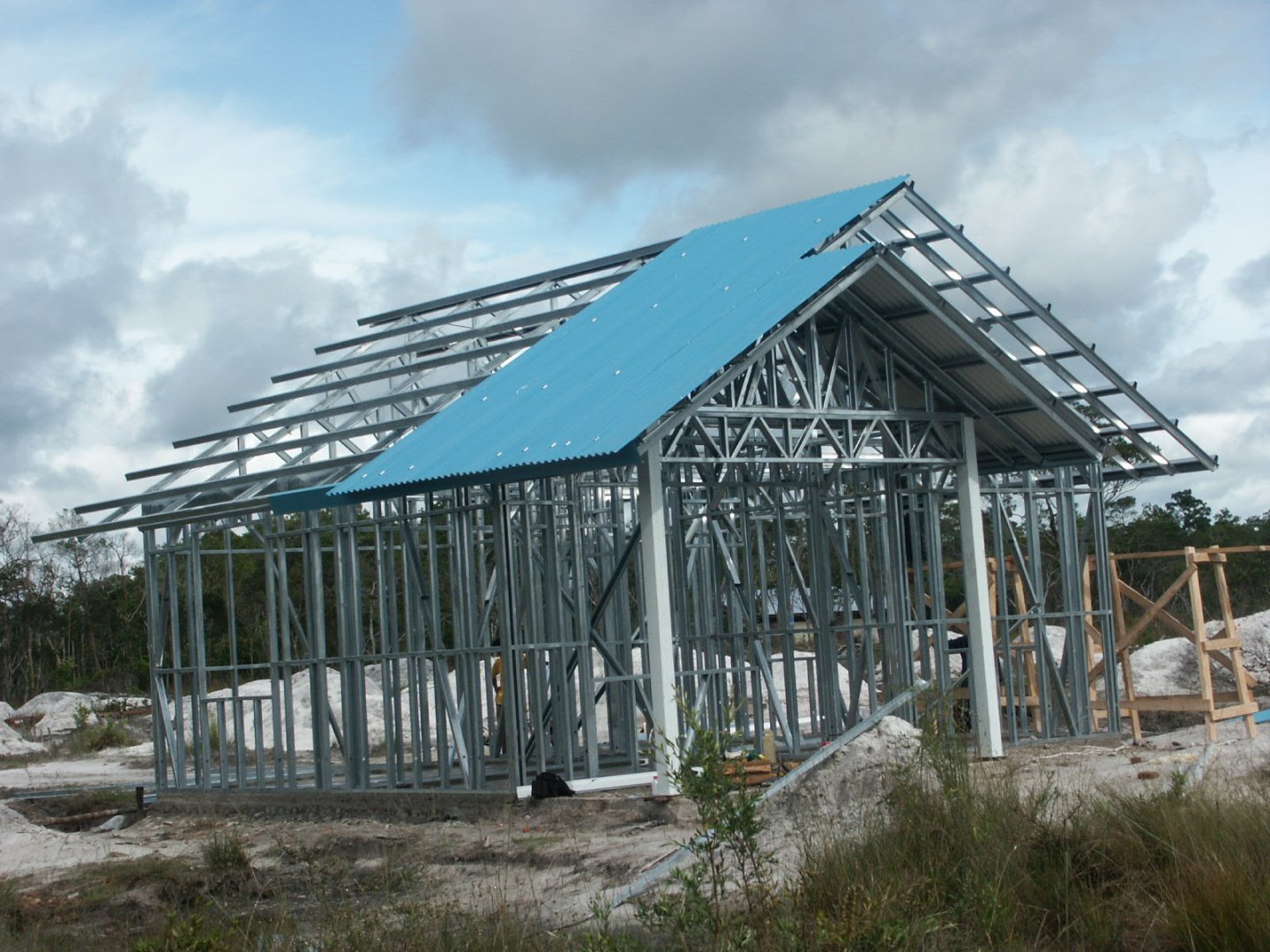
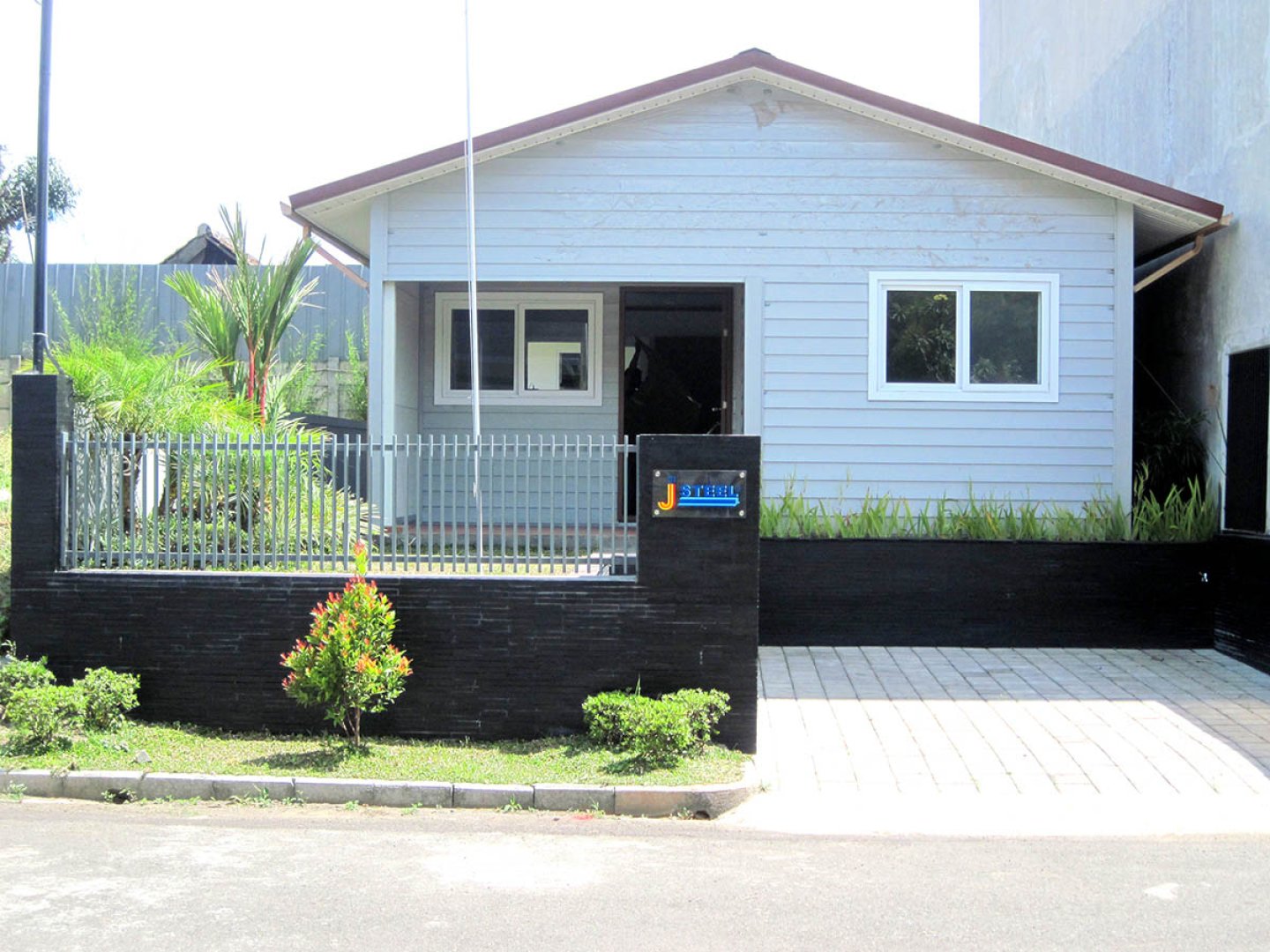
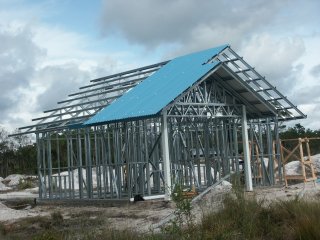
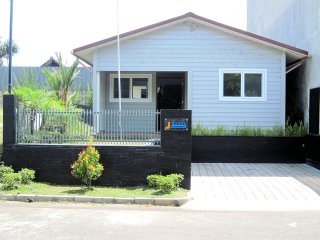
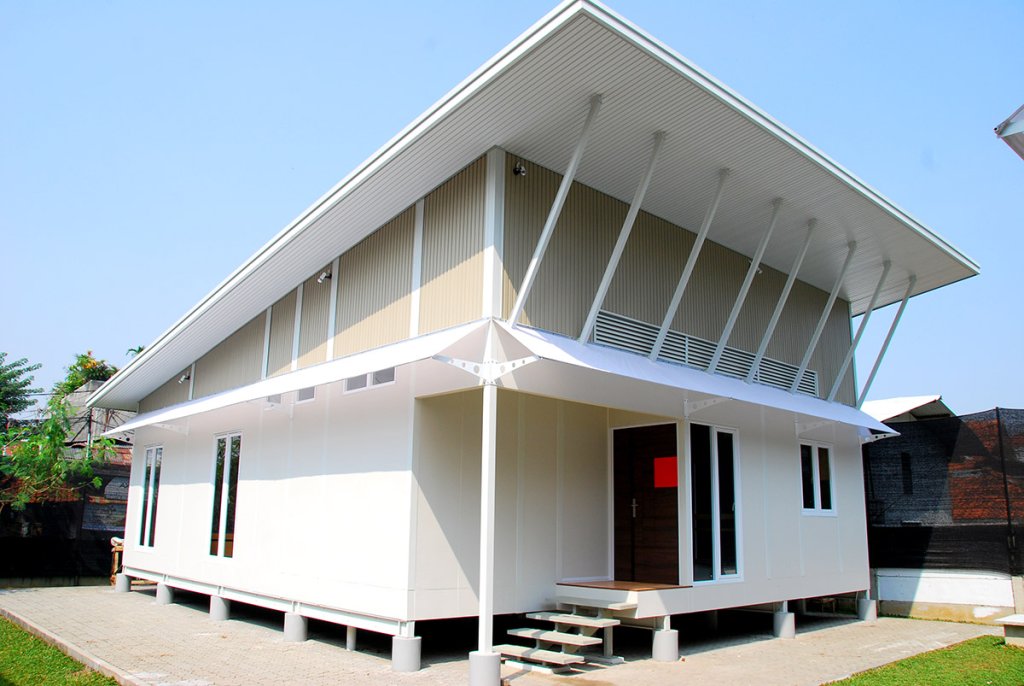
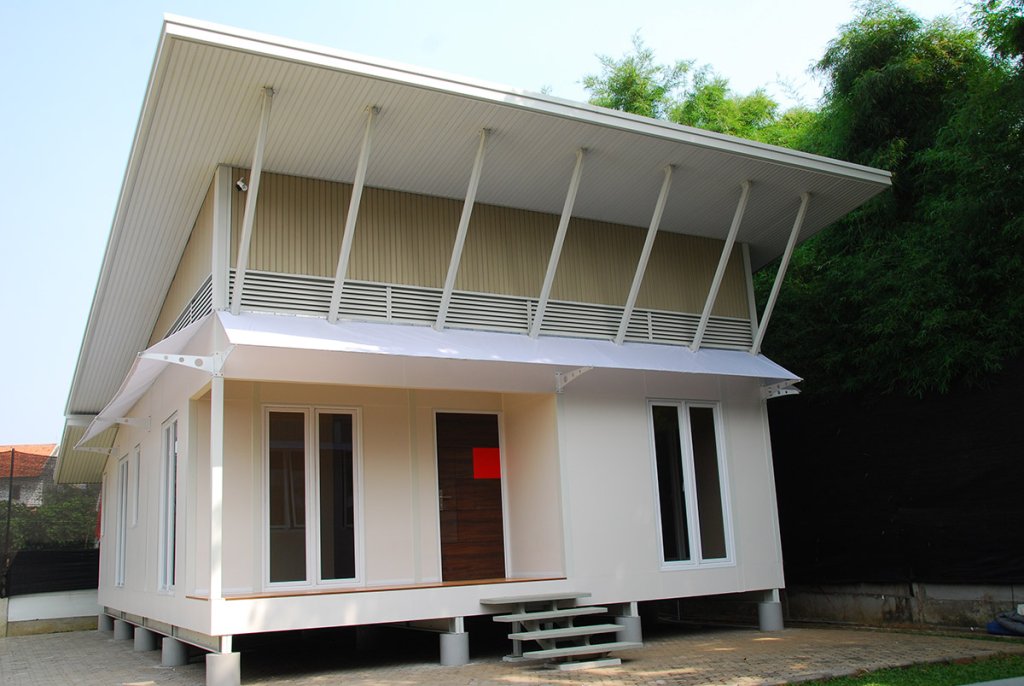
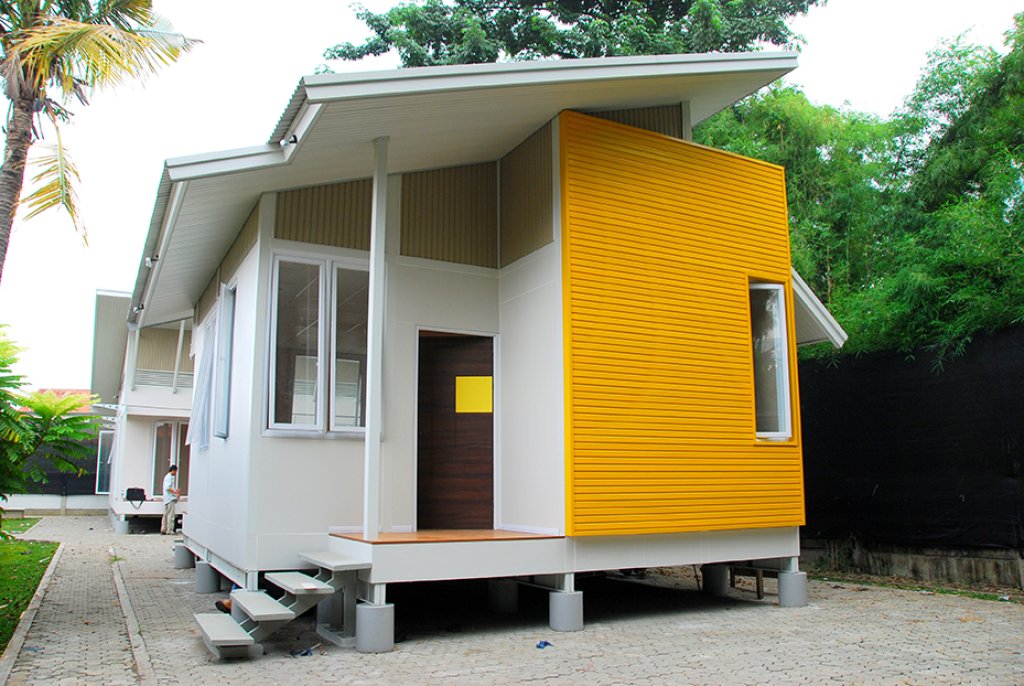
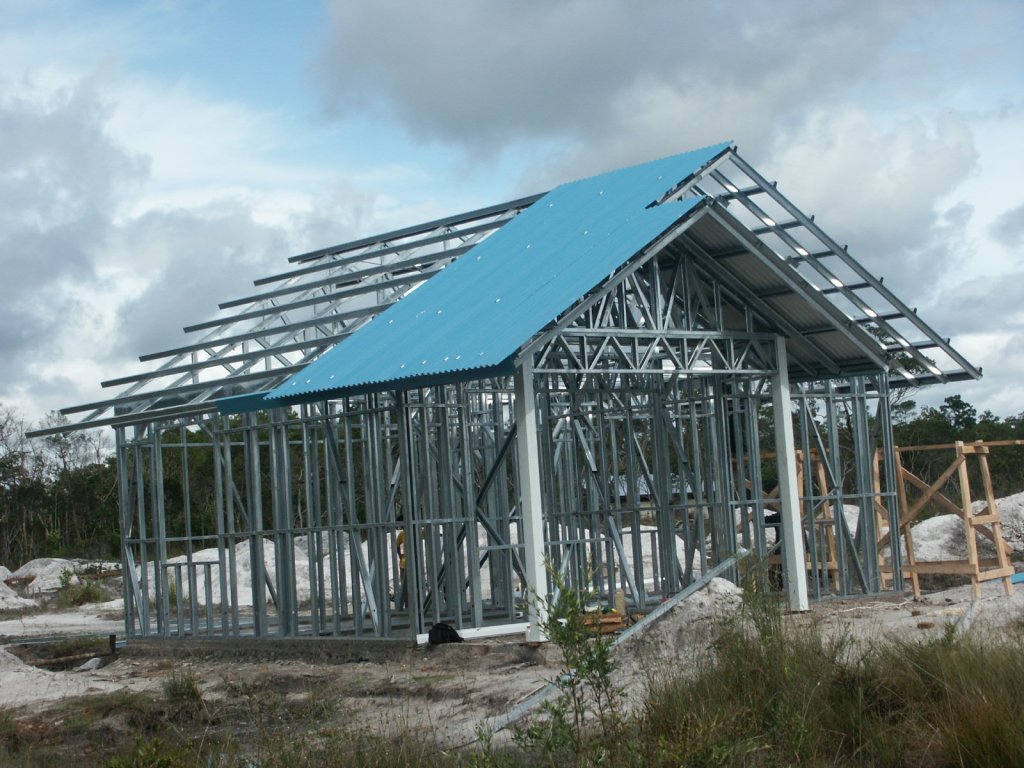
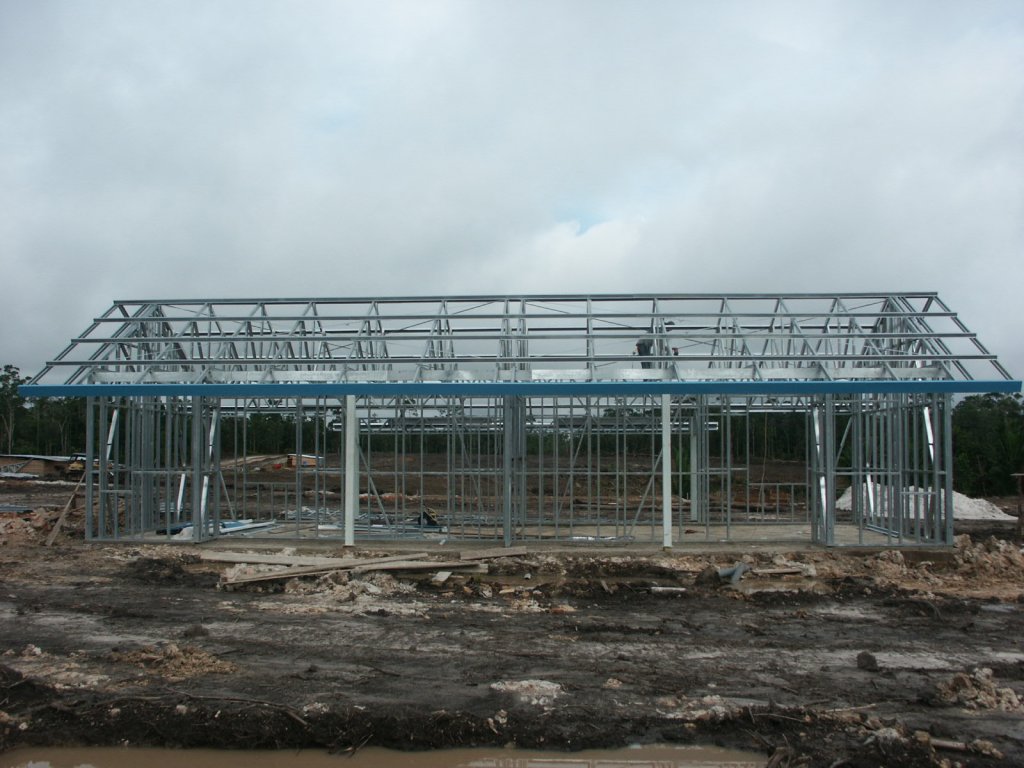
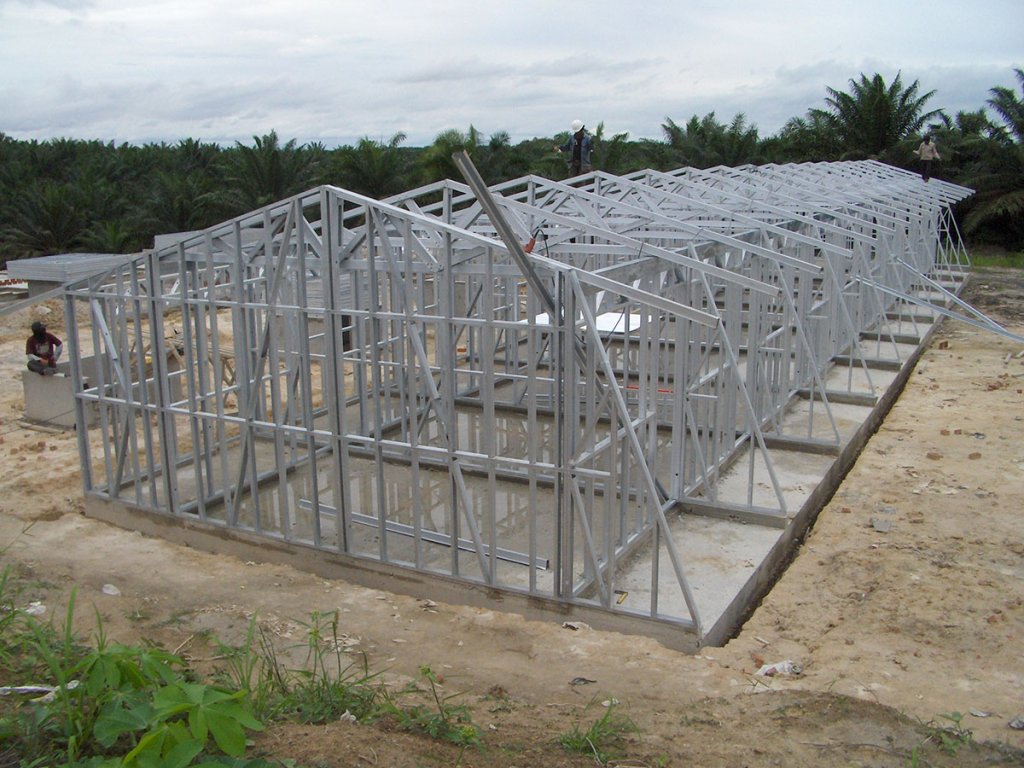
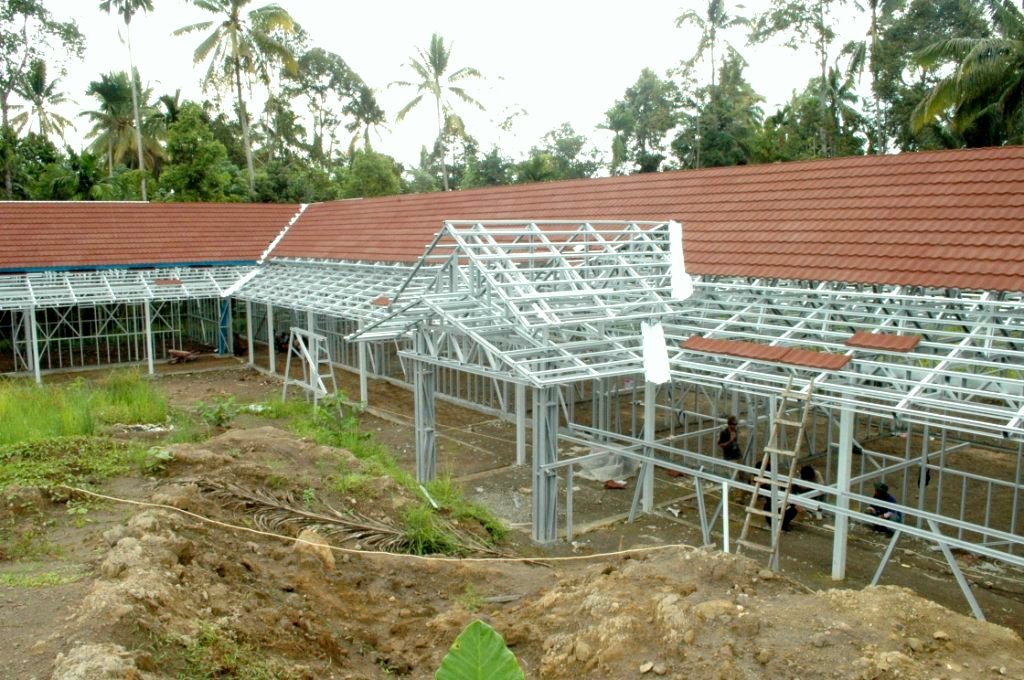
Pre-fabricated house was first introduced in Indonesia by PT. Jaindo Metal Industries.
Pre-fabricated House Is:
- Homes with components manufactured in a factory.
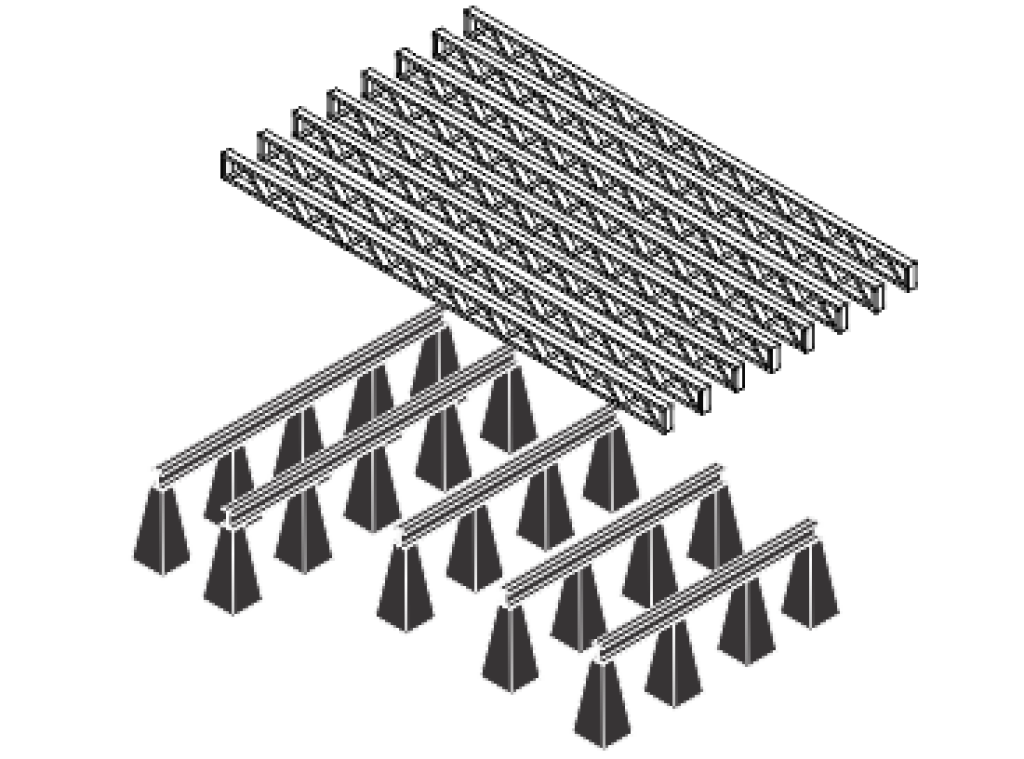
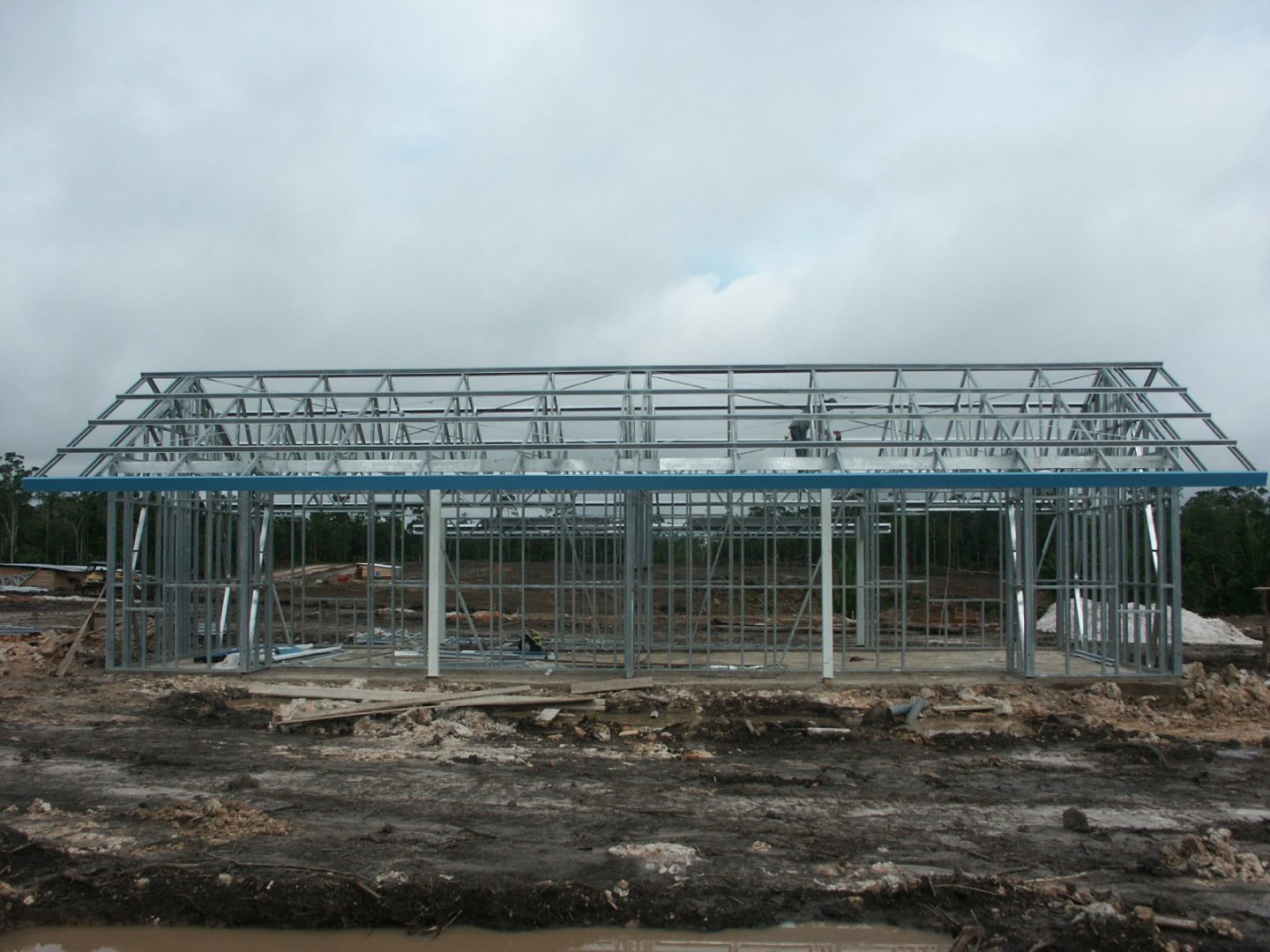
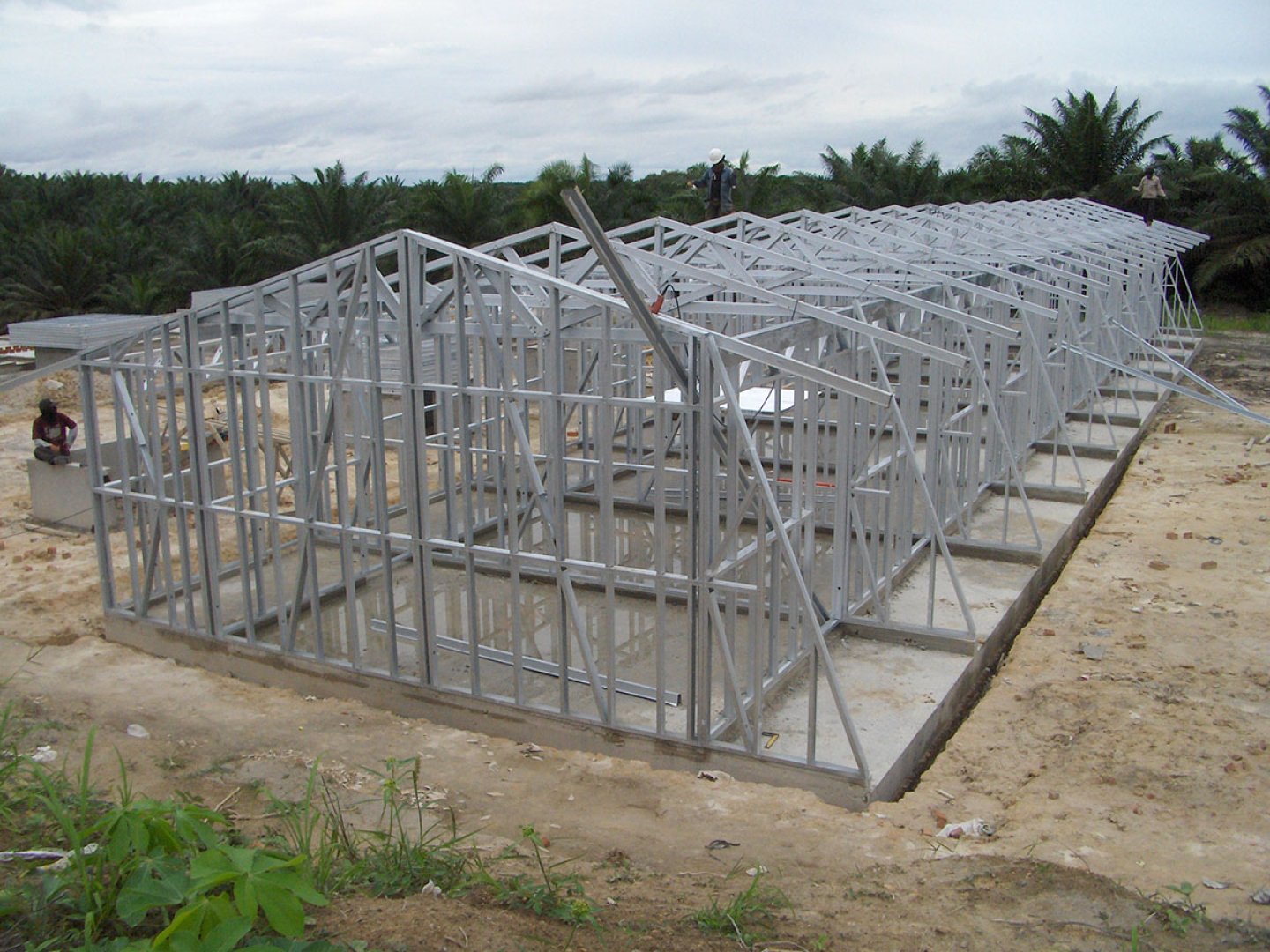
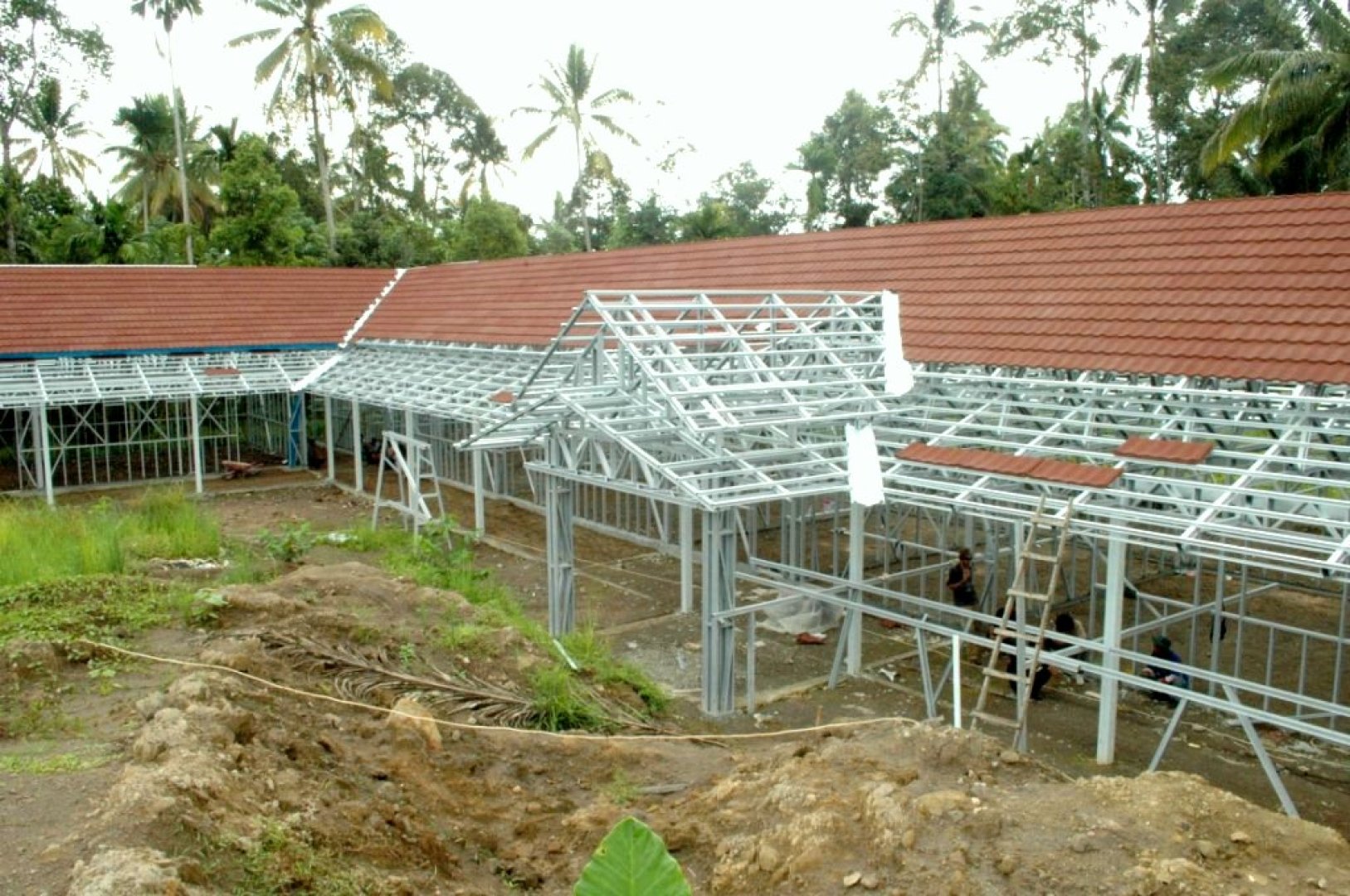
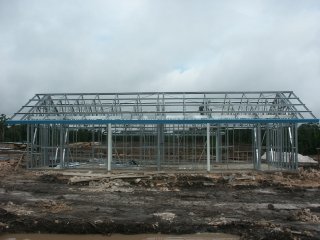
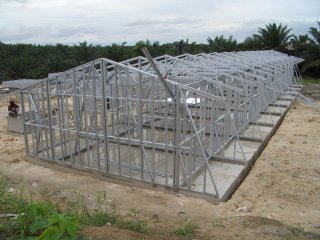
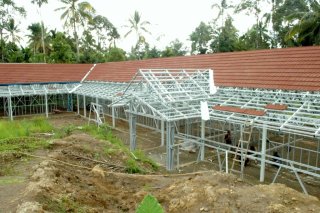
- Components are transported to the installation site and assembled into a complete building, then completed with utilities and finishing.
- Can be quickly built in various locations, including urban areas and hard-to-reach regions.
Pre-fabricated House Is Also:
- A new breakthrough in modern house construction.
- The advantages lie in the materials used and a much shorter construction process compared to conventional housing development.
- Highly suitable for remote areas, locations requiring rapid construction, and post-disaster development.
Advantages:
- Easily transported.
- Easy and fast to construct.
- Construction process is not affected by weather conditions.
- Minimal material waste.
- Labor efficient.
- High dimensional precision.
- Recyclable materials.
- Earthquake resistant.
- More environmentally friendly.
- Lightweight building structure.
- Requires relatively lighter foundation structures.
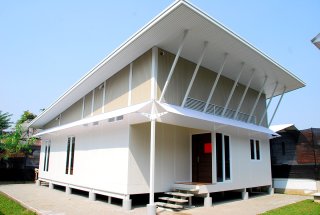
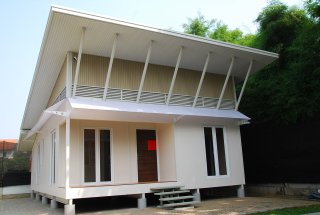
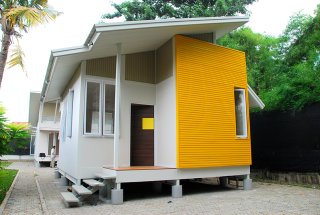
Product Type :
- Type D4 – 95 m²
- Type F1 – 37 m²
- Type F2 – 65 m²
- Type 36
- Type 36 Kopel
- Type 45
- Type B10
Roof Truss

Rangka Atap

Rangka Plafon

Rangka Dinding & Kusen
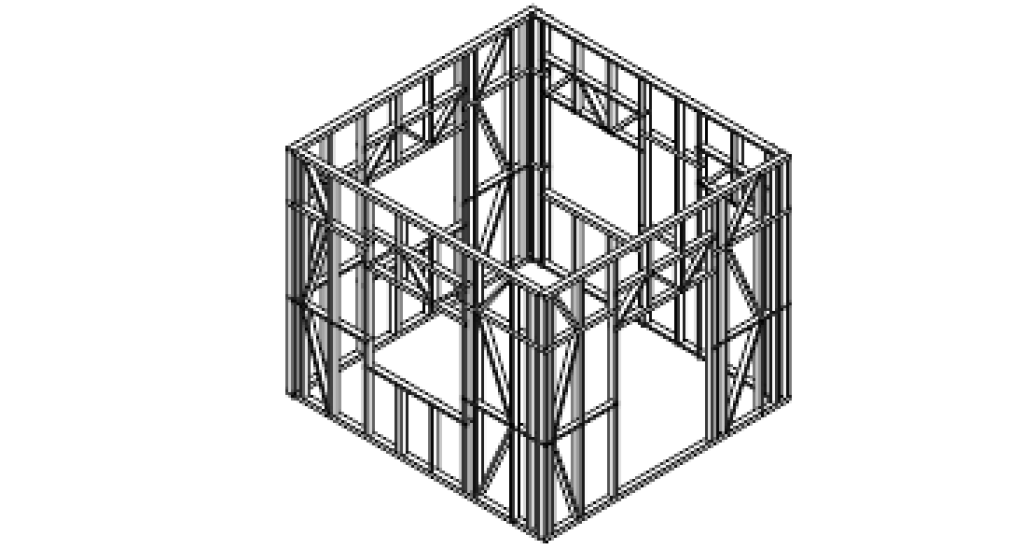
Rangka Lantai